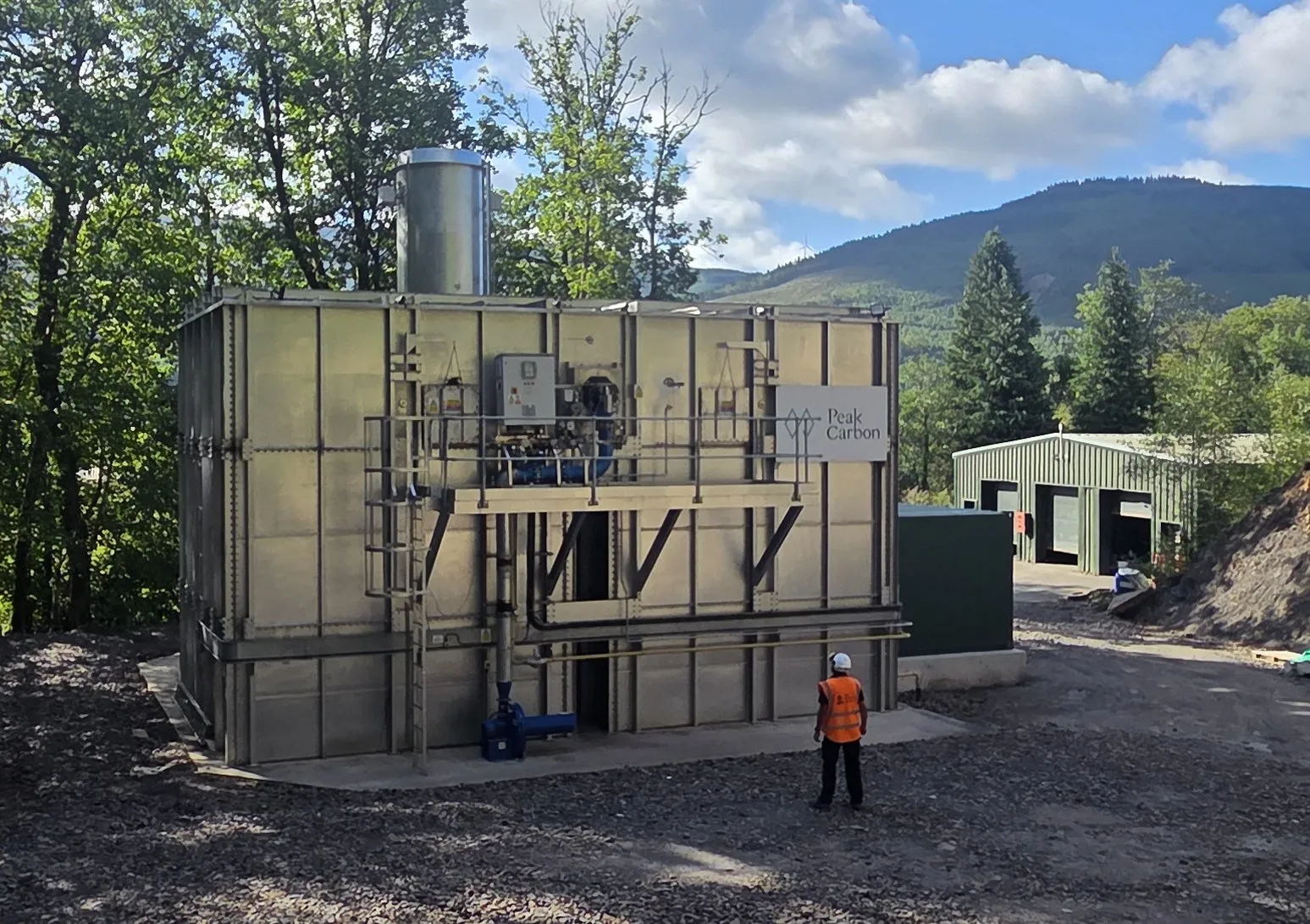

Turnkey solutions for the abatement of Ventilation Air Methane (VAM).
Peak Carbon mining and process engineers helped pioneer the capture and utilisation of coal mine methane and the development of the associated carbon accounting methodology over 20 years ago, a practice that is now the standard operating procedure in coal mines worldwide.
Peak Carbon’s background in coal mine engineering and safety systems research, combined with decades of experience of designing, building and operating methane abatement technology specifically for coal mine applications, provides the basis for a unique turnkey offering for delivering VAM abatement projects – from initial engineering design, to technology supply and proprietary process safety systems, as well as innovative funding solutions, such as zero finance build, own, operate offerings.
01 · Design Engineering
Engineered for the mine, from the first sketch to the last bolt
A VAM abatement plant sits at the interface of two worlds: an underground mine ventilation system that must never be compromised, and a high-temperature process plant that has to run reliably around the clock. Designing for both takes more than an oxidiser supplier.
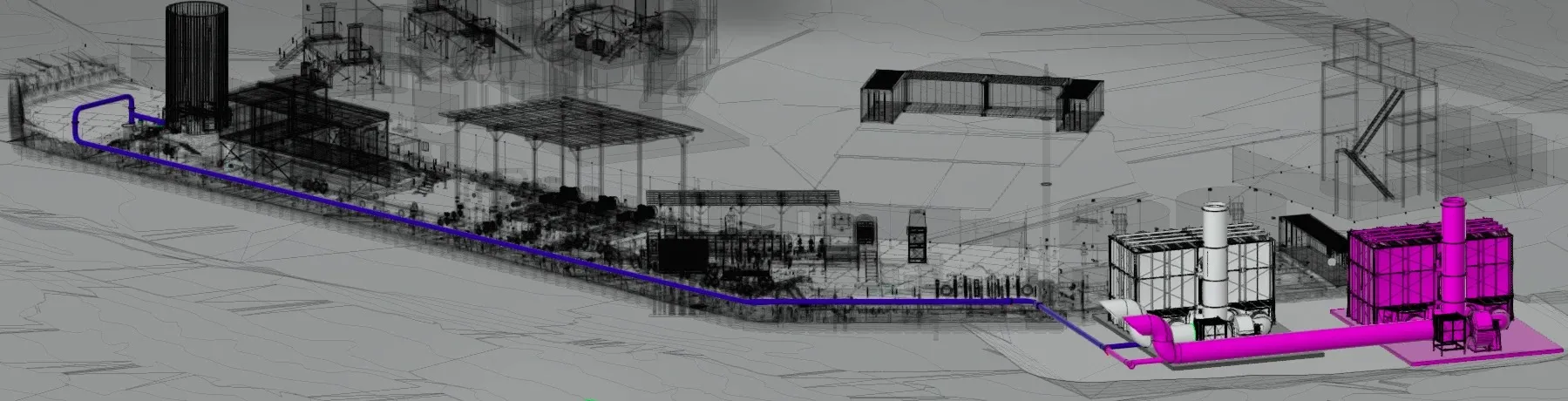
Peak Carbon’s mining and process engineers design the complete plant, from the ventilation shaft connection through ducting, fans, oxidisers, stacks, controls and civil works. Every element is modelled in 3D, checked against the mine’s ventilation and safety requirements, and developed to a level of detail that goes straight to the workshop and site.
Whether the site needs a single oxidiser or an array of twenty-six, the design is optimised for safety, schedule and budget, and fully compliant with local regulation and legislation.
-
From 1 oxidiser to 26
range of plant size designs
-
Proven in Operation
Numerous designs constructed since 1998, with latest RTO design operating in Wales
-
0.2% to 0.8%
VAM methane range handled
-
Concept to commissioning
one engineering team, start to finish
Designing the whole plant, not just the oxidiser
We look at the plant as one system, because the way air moves from the mine to the stack decides how safely and efficiently it runs.
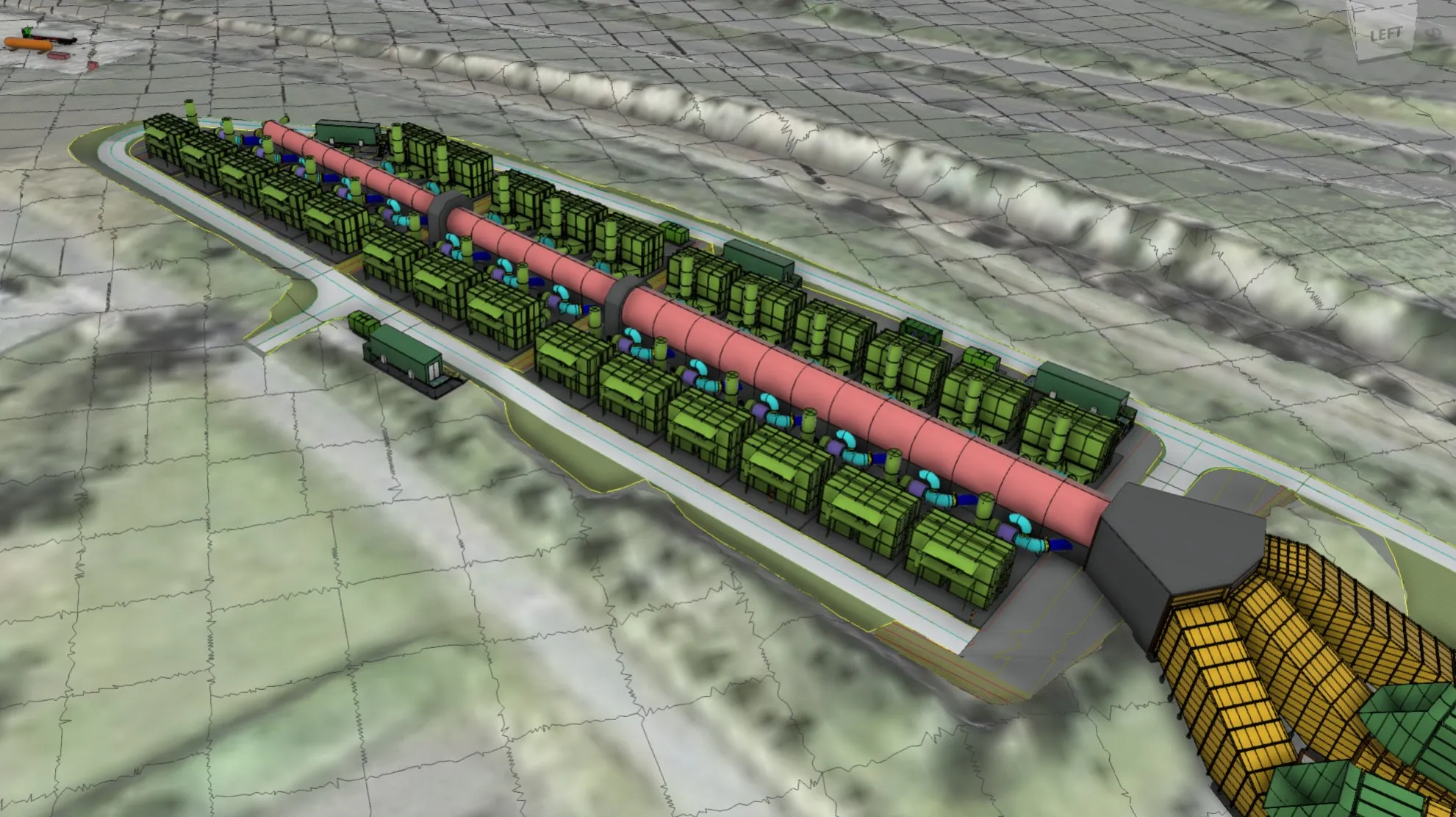
- 1 · Mine connection. Tie-in to the ventilation shaft or evasé, designed so the mine’s ventilation is never restricted or put at risk.
- 2 · Main supply duct. High-efficiency centrifugal process fans and inlet ductwork, sized and modelled to split mine air evenly across every RTO.
- 3 · RTO array. Oxidisers laid out for access, maintenance and staged expansion, with a compact footprint that reduces civil and structural costs.
- 4 · Controls and electrical. Switchrooms, instrumentation and control systems integrated with the mine’s own monitoring.
- 5 · Civil and structural. Foundations, pads, access and services designed around site constraints, ground conditions and the construction sequence.
From site data to a plant ready to build
-
Site and ventilation assessment
We review mine ventilation data, methane concentrations, airflow, site layout and the regulatory setting to define what the plant needs to handle.
-
Concept and feasibility
Plant sizing, oxidiser numbers, layout options and budget estimates, so the owner can make an informed investment decision early.
-
Process safety and risk
HAZID, HAZOP, LOPA and SIL studies run alongside the design, so safety is built in from the start rather than checked at the end.
-
Detailed engineering
Full 3D modelling, airflow simulation, mechanical, structural, electrical and control design, producing fabrication and construction-ready documentation.
-
Build, commission and verify
Engineering support through fabrication, construction and commissioning, with independent third-party verification of safety systems.
The technical depth behind every plant
-
Process engineering
Heat and mass balances, methane destruction performance and thermal design, matched to the mine’s actual ventilation conditions.
-
Airflow and CFD
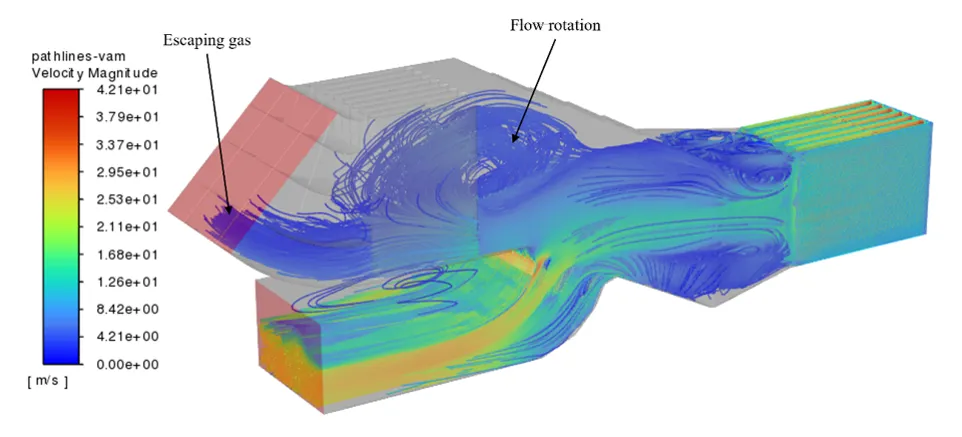
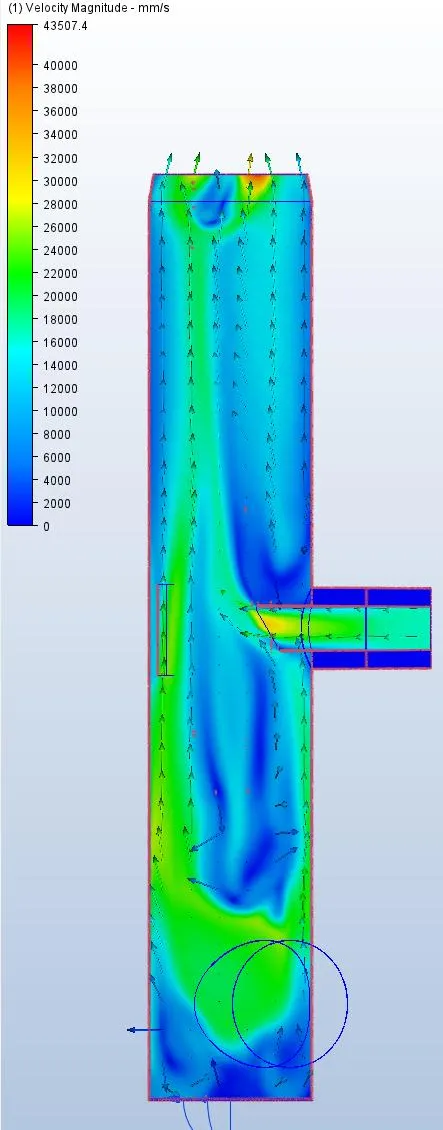
Computational fluid dynamics modelling of ducting and plenums to balance flow between oxidisers and remove dead zones before anything is built.
-
Mechanical design
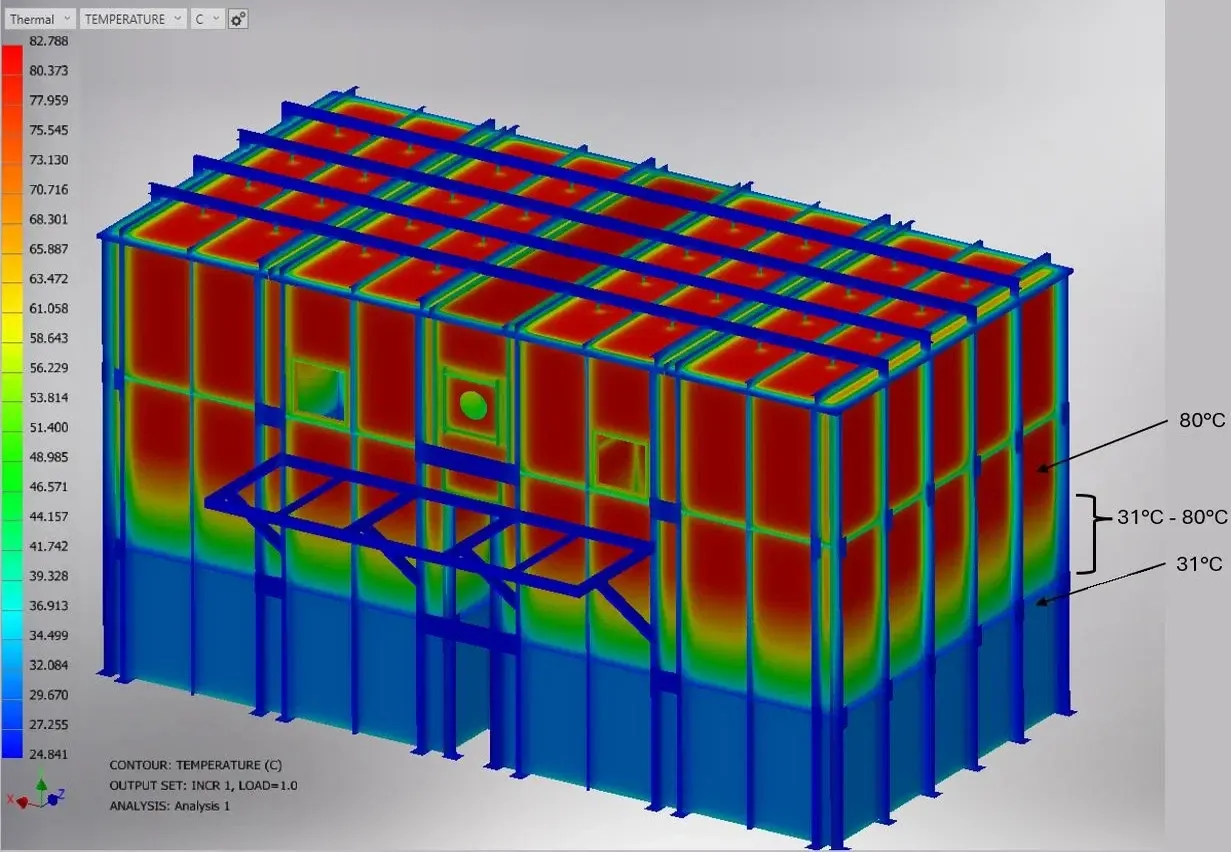
Oxidisers, regenerative chambers, switching plenums, dampers, fans and ducting, all modelled in 3D and checked for thermal expansion and load.
-
Structural and civil
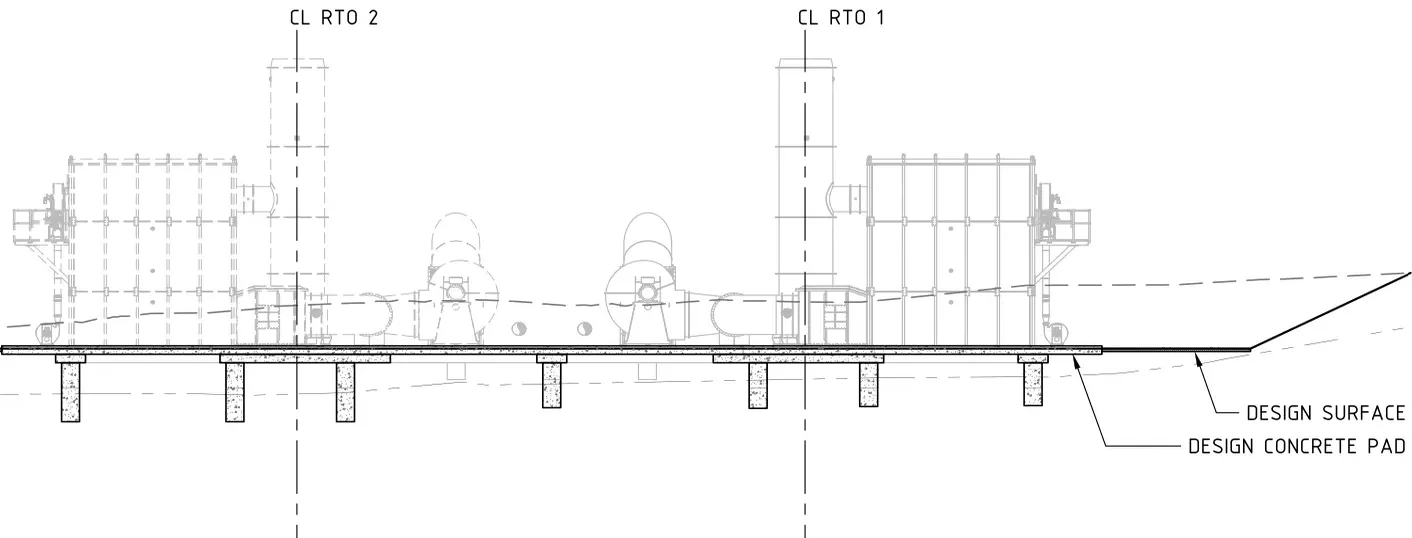
Steel structures, foundations and site works designed for local codes, ground conditions and fast installation.
-
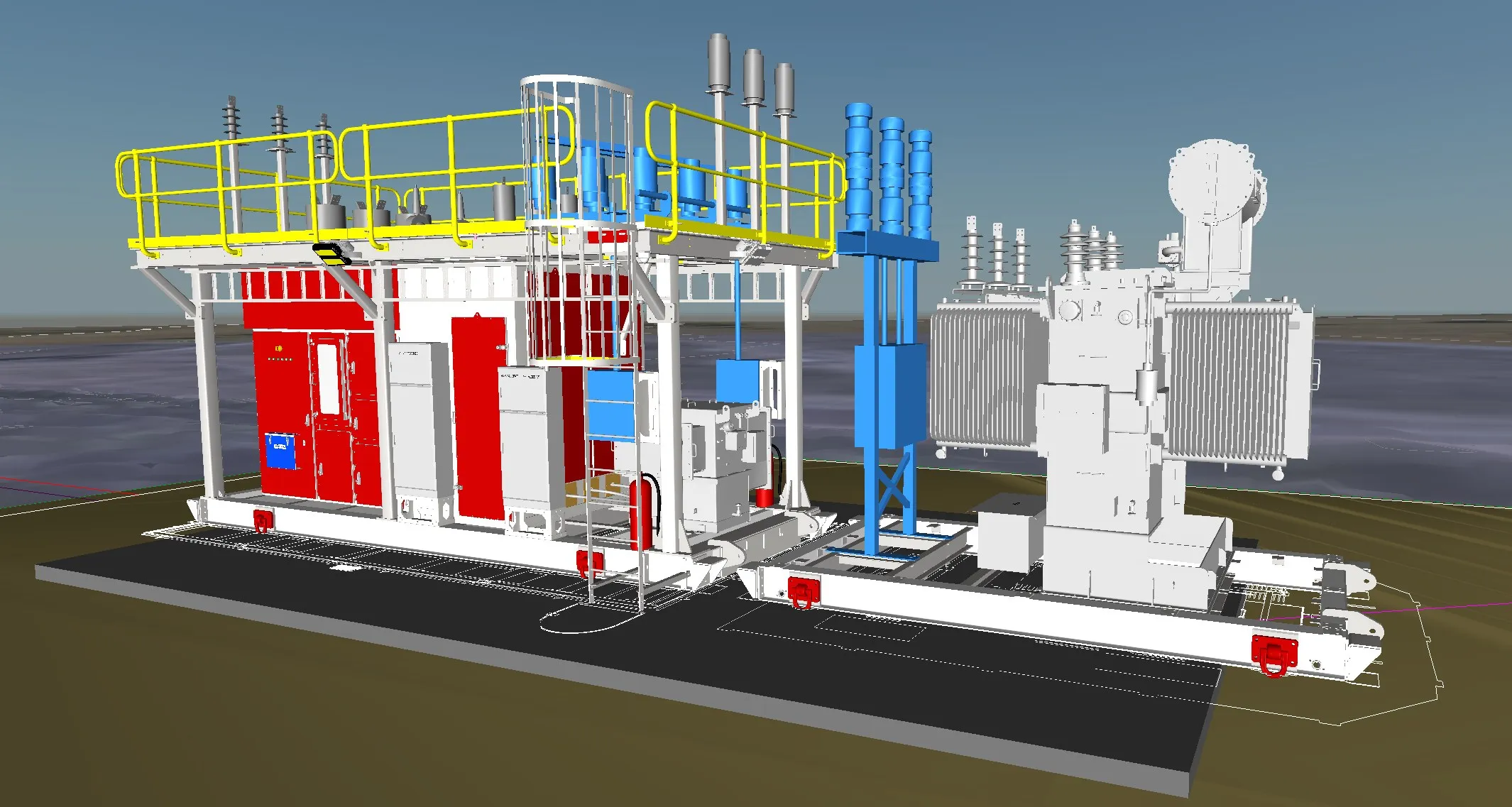
Electrical and controls
Control philosophy, instrumentation, interlocks and integration with mine monitoring systems.
-
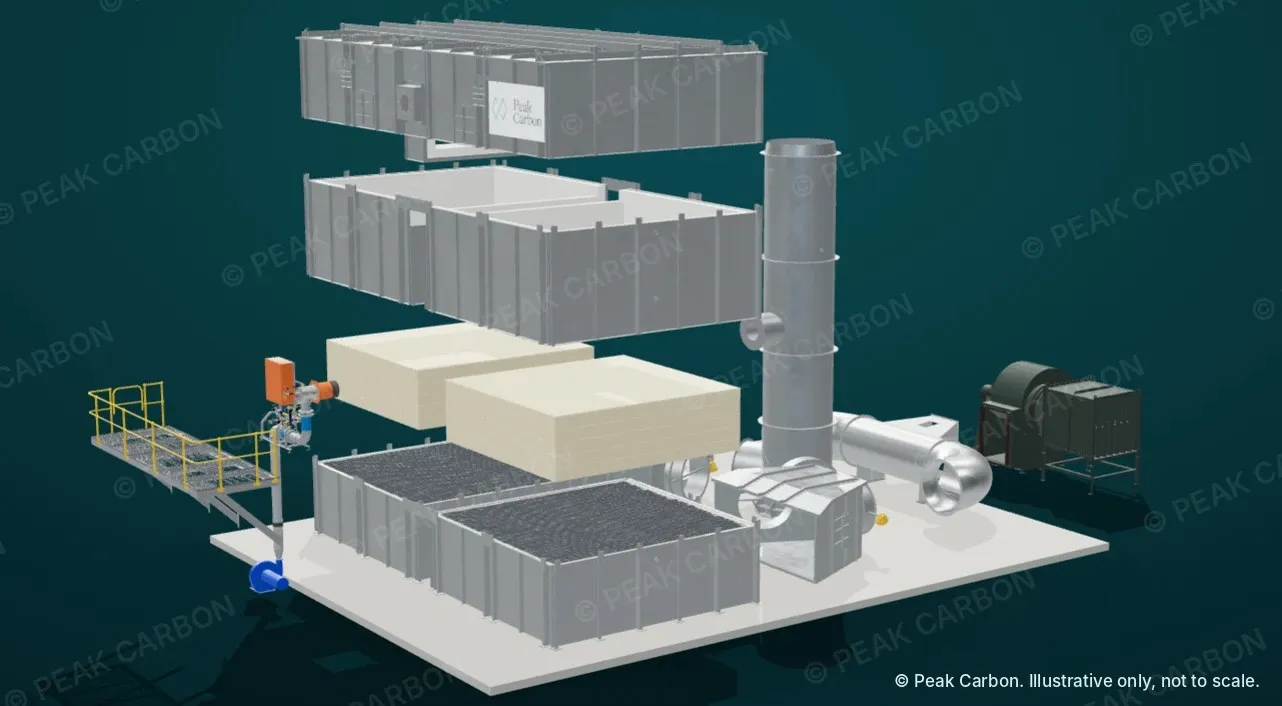
Designed for fabrication
Modular, repeatable components designed for rapid manufacture, transport and installation, cutting time on site.
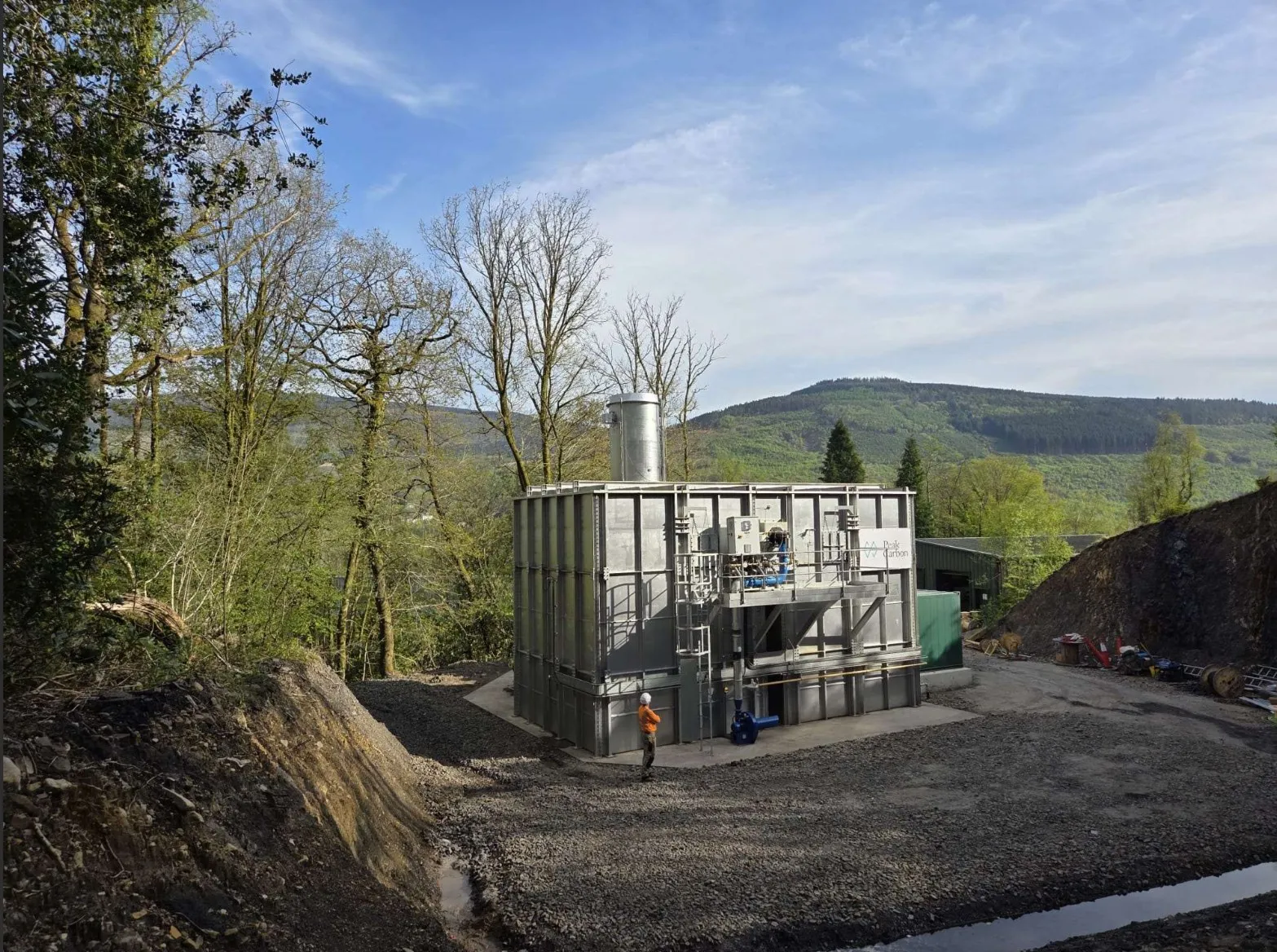
Case study · Aberpergwm Colliery, Wales
Designed, built and proven
Working with mine owner and operator Energybuild, Peak Carbon designed, built and now operates the world’s first full-scale VAM abatement project to destroy methane at commercial scale, at or below 0.2% concentration. Commissioned in May 2026, it has been independently audited by Bureau Veritas and the UN’s International Methane Emissions Observatory.
98%
methane destruction efficiency
25 m³/s
mine ventilation air treated
~56,000 t
CO₂-e abated a year
AAA
BeZero carbon rating
Planning VAM abatement at your mine?
Talk to our engineering team about a concept design and budget estimate for your site.
02 · Technology Supply
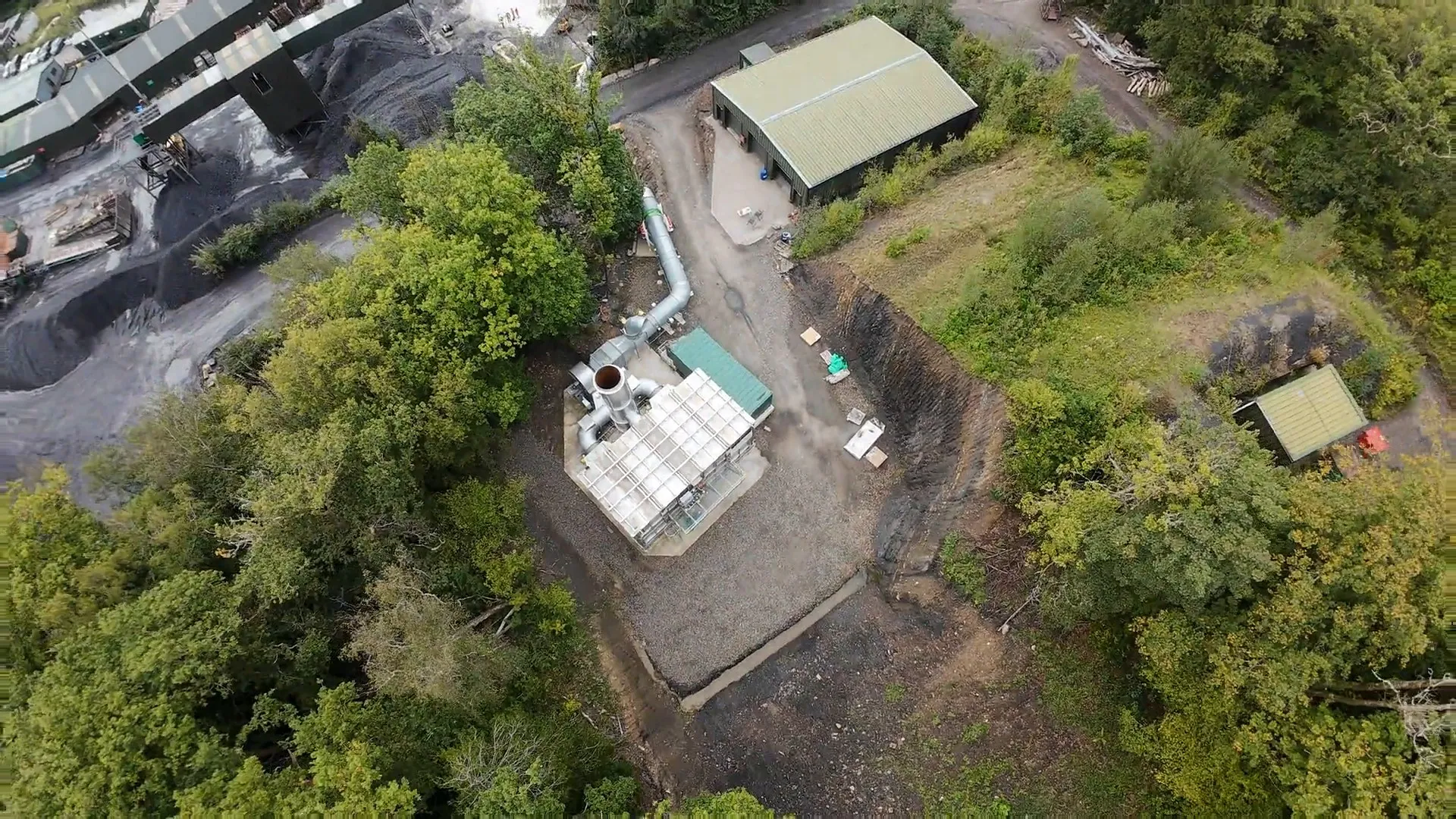
Explore our Regenerative Thermal Oxidiser (RTO)
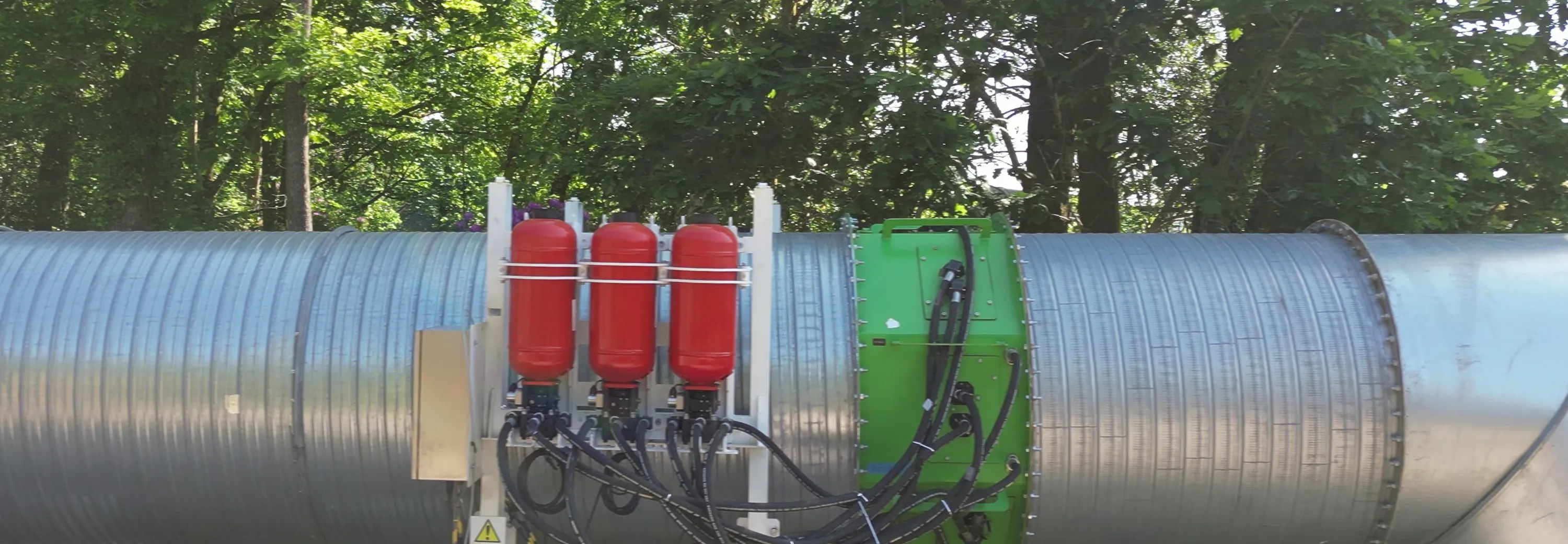
Peak Carbon’s RTO is specifically designed for coal mine applications. Its reduced footprint and rapid manufacturing production design are purposely suited for deployment on ventilation sites that need as much as 20 RTOs or more – significantly reducing construction time and reducing civil and structural engineering costs.
The RTO is available in both low and high methane compatible configurations – audited in the field to operate at full airflow with methane concentrations below 0.2% or capture and utilise heat from methane concentrations above 0.4%.
Simplified illustrative model. Not to scale.
03 · Process Safety
“Mines Rescue Consulting’s audit process included 173 components of legislation, codes, guides and standards applicable to the VAM abatement plant process safety design. No non-compliant findings were found.”
– Dave McLean, Chief Work Health Safety (WHS) Risk & Compliance Officer, NSW Coal Services
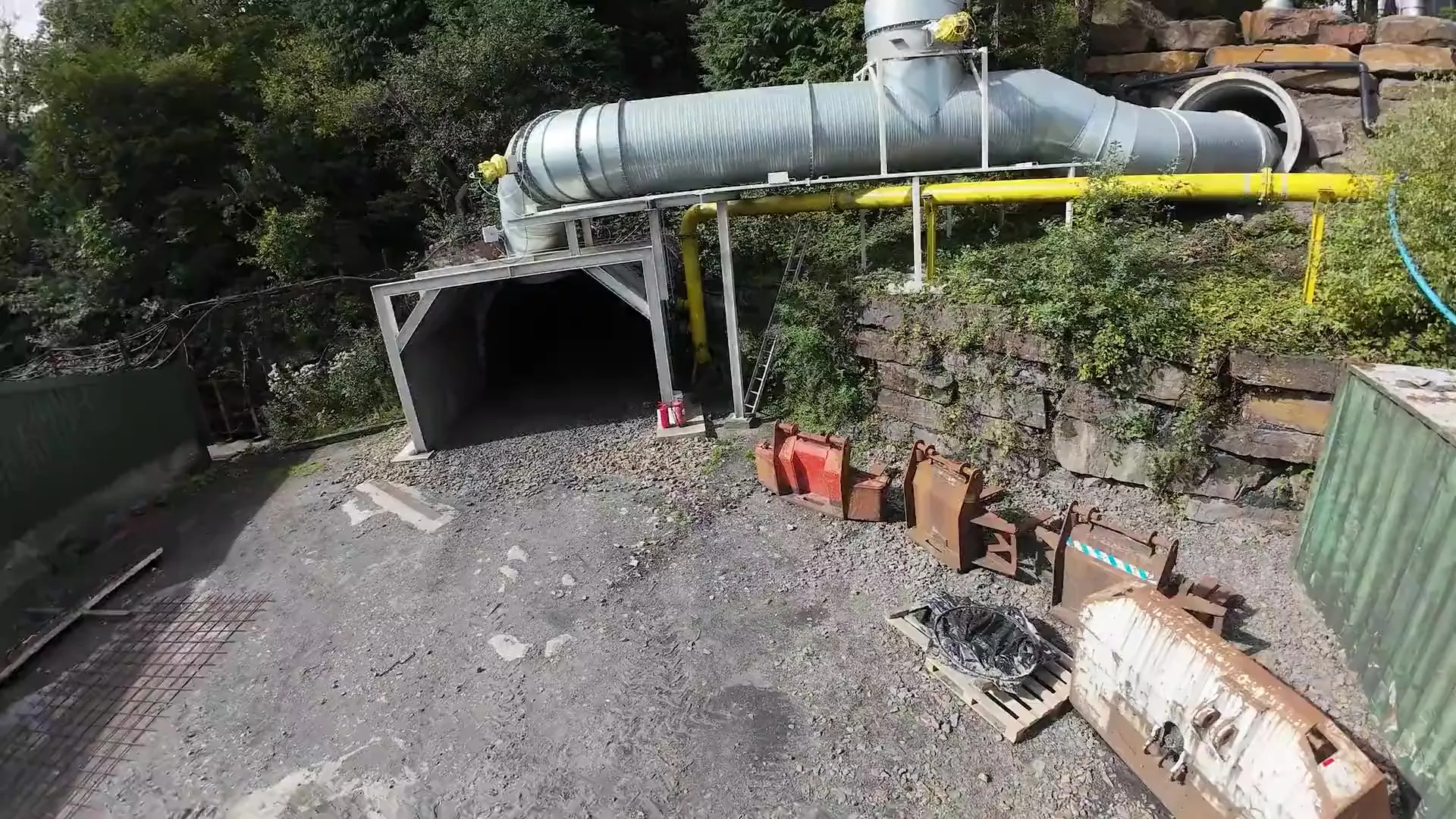
Peak Carbon’s priority focus in design, construction and operation is always safety.
Peak Carbon’s team have experience spanning across mining, process engineering, manufacturing, construction, operation and maintenance of technologies and projects in scale within some of the world’s most stringent regulatory environments. We are able to straddle the interface between the underground mining environment and complex process emissions control systems. Our starting point in process design is ensuring that we have deep competence across our entire team through the whole engineering cycle.
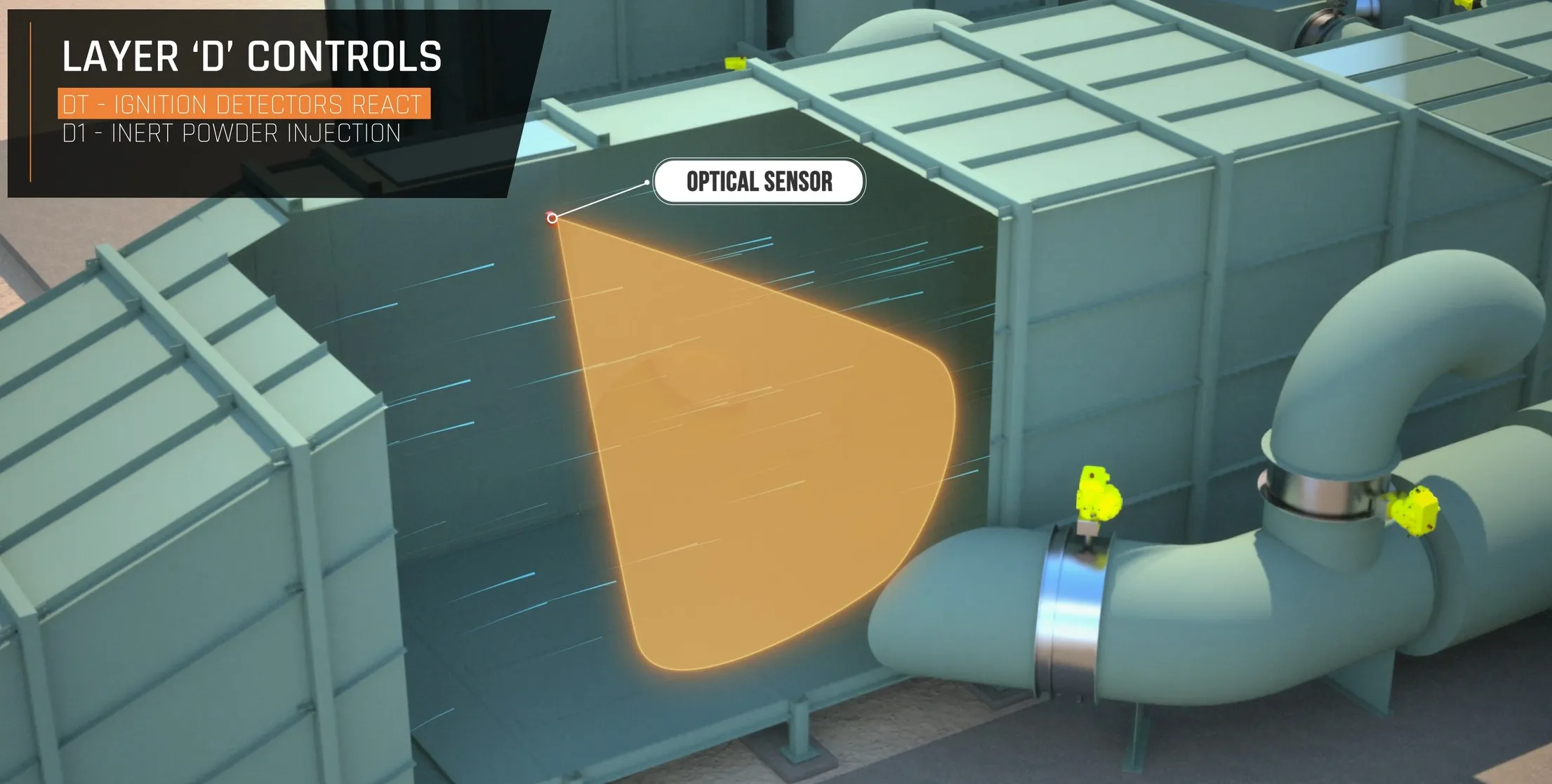
We take a structured risk analysis path, first to understand the hazard and risk profile of a project, then to determine an appropriate series of engineering controls to drive risks to As Low As Reasonably Practicable. Our Process Safety Management risk analysis and Process Design path has been audited in the UK and Australia and described as Best Practice.
We use multi layered redundant engineering controls designed, commissioned and tested, with verification and validation by competent expert third parties.
04 · Project Finance
Where capital is a constraint or delivery and operational risk is preferred to be delegated to a sector specialist, as part of a turnkey solution Peak Carbon can fund all construction and operating capital for a VAM abatement project at a given mine.
Depending on the geography and situation of the mine, Peak Carbon would receive a share of any carbon credits generated or an annual ‘VAM abatement as a service’ fee from the mine, provided certain availability and destruction efficiency criteria are met.